This educational resource provides general information about common vitamins, minerals, and their natural food sources. The content here is informational and designed to explain nutritional concepts in everyday contexts.
Educational content only. No medical services. No promises of outcomes.
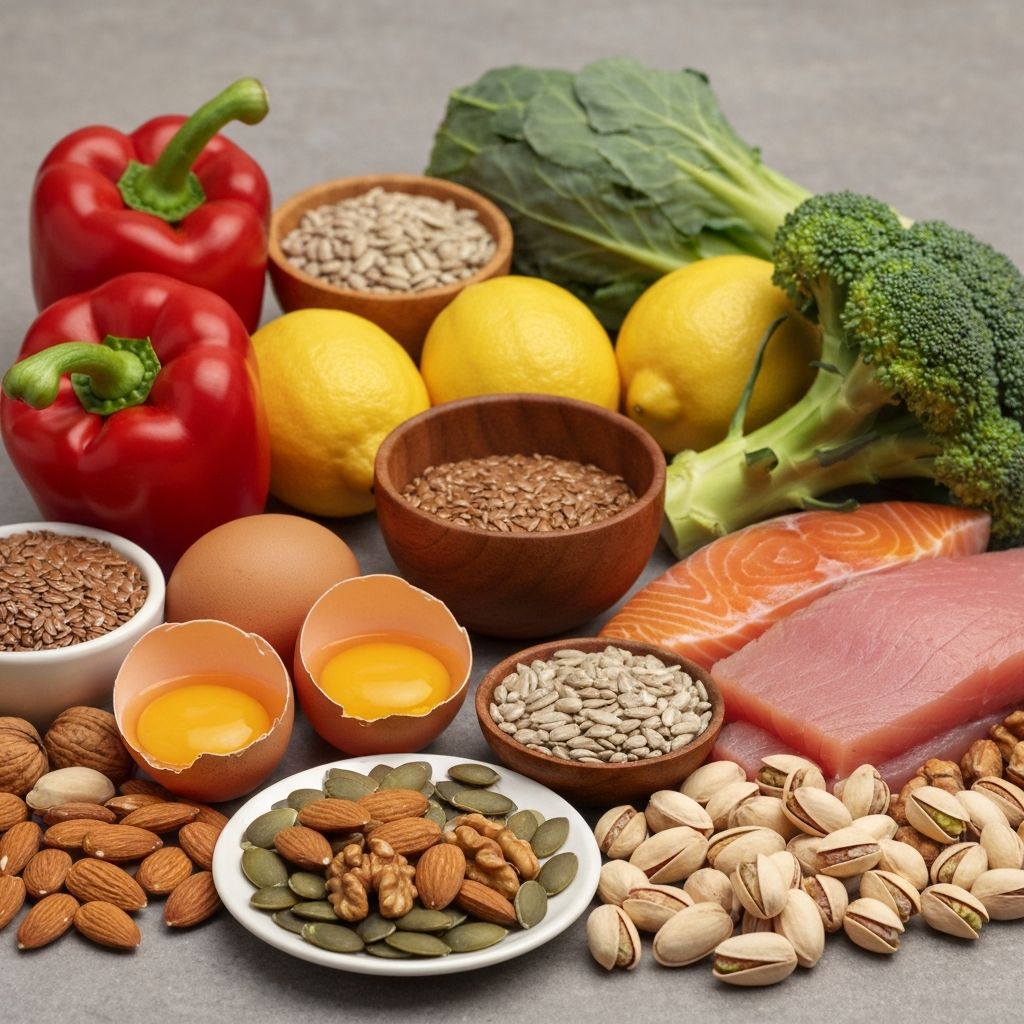
Vitamins are organic compounds that play various roles in human nutrition. They are typically obtained through food consumption and are classified into water-soluble and fat-soluble categories. Understanding these basic classifications helps in recognizing how different foods contribute to overall dietary patterns.
The human body requires multiple vitamins in varying amounts. Each vitamin has distinct characteristics and is found in different food sources. This overview presents factual information about these nutrients without making recommendations about individual consumption.
Vitamin C: Found in citrus fruits, berries, bell peppers, and leafy greens.
B Vitamins: Present in whole grains, legumes, eggs, dairy products, and meat.
Folate: Available in leafy vegetables, beans, and fortified grain products.
Vitamin A: Found in orange and yellow vegetables, dairy, and fish.
Vitamin D: Present in fatty fish, egg yolks, and fortified products.
Vitamin E: Available in nuts, seeds, and vegetable oils.
Vitamin K: Present in green leafy vegetables and some fermented foods.
Various foods contain different combinations of vitamins and minerals. Below are examples of common food categories and the nutrients they typically contain. This information is presented for educational purposes to illustrate the diversity of natural food sources.
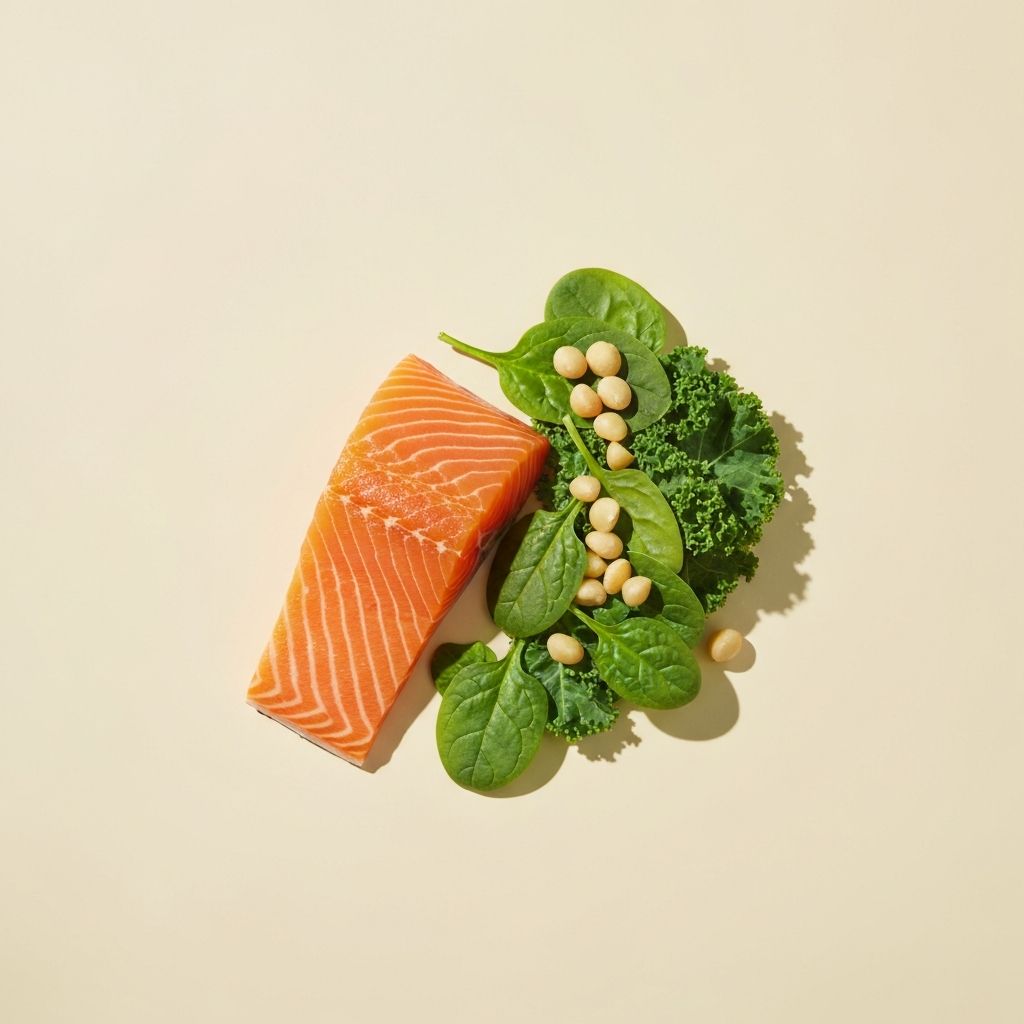
Fish such as salmon, mackerel, and sardines are known sources of omega-3 fatty acids, vitamin D, and B vitamins. Shellfish contains zinc and selenium.
Berries, citrus fruits, and other fresh produce provide vitamin C, various antioxidants, and fiber. Different colors often indicate different nutrient profiles.
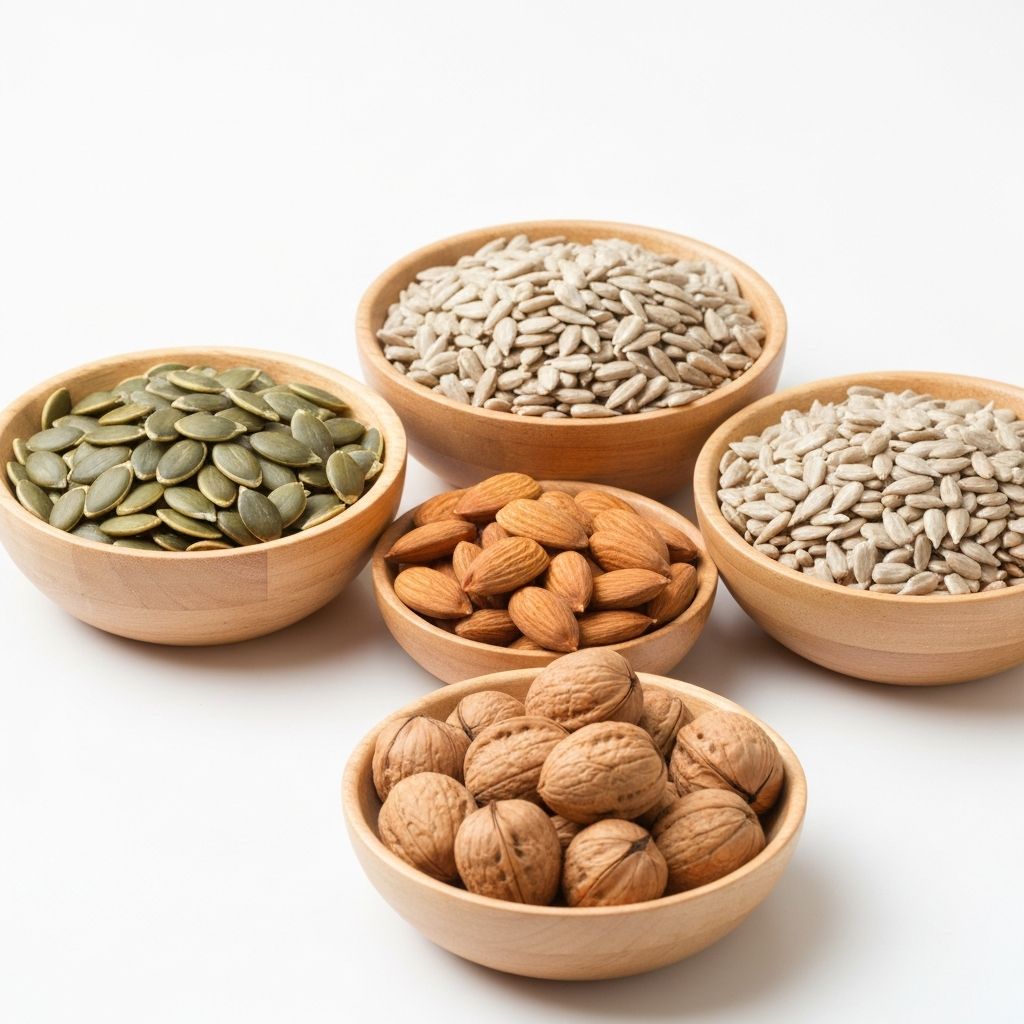
Pumpkin seeds, sunflower seeds, almonds, and walnuts contain vitamin E, magnesium, zinc, and healthy fats. They are calorie-dense food sources.
| Food Category | Common Examples | Notable Nutrients |
|---|---|---|
| Leafy Greens | Spinach, kale, chard | Vitamin K, folate, iron |
| Eggs | Whole eggs, egg whites | B vitamins, vitamin D, protein |
| Whole Grains | Oats, quinoa, brown rice | B vitamins, fiber, minerals |
| Legumes | Lentils, chickpeas, beans | Folate, iron, protein, fiber |
Nutrients from food perform various functions in human physiology. Scientific research has identified roles for different vitamins and minerals in cellular processes, metabolic pathways, and tissue maintenance. This section presents general information about these roles from an educational perspective.
Zinc: Involved in numerous enzymatic reactions throughout the body. Found in meat, shellfish, legumes, and seeds.
Magnesium: Participates in energy metabolism and protein synthesis. Present in nuts, seeds, whole grains, and green vegetables.
Selenium: A component of certain proteins with antioxidant properties. Found in Brazil nuts, fish, and grains.
B Vitamins: A group of vitamins involved in energy metabolism and red blood cell formation. Different B vitamins have distinct roles.
Vitamin C: Functions as an antioxidant and is involved in collagen synthesis. Water-soluble and not stored long-term in the body.
Vitamin E: Acts as an antioxidant protecting cells from oxidative stress. Fat-soluble and stored in body tissues.
Nutrition science continues to evolve, and understanding the distinction between established facts and popular beliefs is important for informed decision-making. This section addresses some common topics related to vitamins and food.
While vitamins are essential nutrients, consuming excessive amounts does not necessarily provide additional benefits. Fat-soluble vitamins can accumulate in body tissues, and water-soluble vitamins are typically excreted when consumed in excess.
Foods contain complex combinations of nutrients, fiber, and other compounds that work together. The effect of consuming a whole food may differ from consuming an isolated nutrient extracted from that food.
Nutritional needs and food responses can vary significantly between individuals based on factors such as age, genetics, activity levels, and overall health status. General information does not account for individual circumstances.
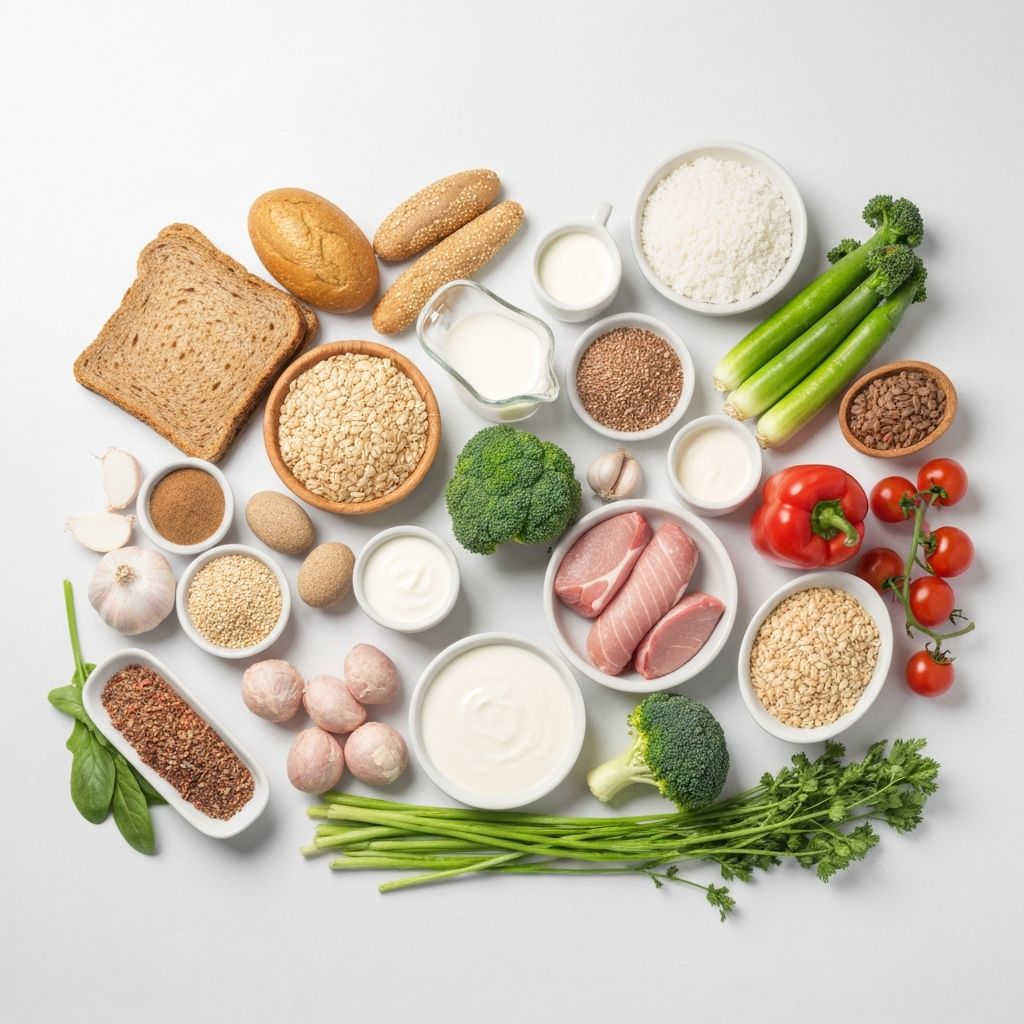
Dietary patterns vary widely across cultures, regions, and individual preferences. In Czech Republic and Central Europe, traditional eating habits often include a mix of meat, dairy, grains, and seasonal vegetables. Modern urban populations have access to a wider variety of international foods.
Common foods in Czech everyday eating may include:
Understanding the nutritional content of commonly consumed foods can provide context for how dietary patterns contribute to overall nutrient intake. However, individual eating habits differ significantly, and this information represents general observations rather than prescriptive guidance.
Nutrition science draws from biochemistry, physiology, and epidemiological research. Scientific understanding of vitamins and minerals has developed over more than a century of research. Key concepts include:
This term refers to the proportion of a nutrient that is absorbed and utilized by the body. Bioavailability can be influenced by food preparation methods, the presence of other foods, and individual digestive factors.
Some nutrients enhance or inhibit the absorption of others. For example, vitamin C can enhance iron absorption from plant sources, while certain compounds in tea and coffee may reduce it.
Various organizations publish reference intake values for nutrients. These values represent estimated amounts for population groups and are used for planning and assessing diets at a population level.
Nutritional science uses observational studies, controlled trials, and laboratory research. Each method has strengths and limitations, and scientific consensus develops gradually through accumulation of evidence.
The information presented on this website is educational in nature and intended to explain general concepts about vitamins, minerals, and food sources. This content does not constitute individual nutritional advice, medical guidance, or personalized recommendations.
Nutritional needs vary significantly between individuals based on numerous factors including age, genetics, health status, activity levels, and personal circumstances. The general information provided here cannot account for individual variation.
Dietary decisions are personal choices influenced by cultural, economic, ethical, and health considerations. This educational resource presents facts and context but does not advocate for specific dietary approaches or influence individual decisions.
For personalized nutritional guidance, individuals should consult with qualified healthcare professionals who can assess individual circumstances and provide tailored advice.
Browse additional informational resources about nutrition and food science.
Read About This Resource